What are the best exercises to alleviate chronic low back, SI, or hip pain?
Krista Quinn | NOV 22, 2024
back pain relief
si dysfunction
women with chronic pain
chronic pain
exercises for back pain
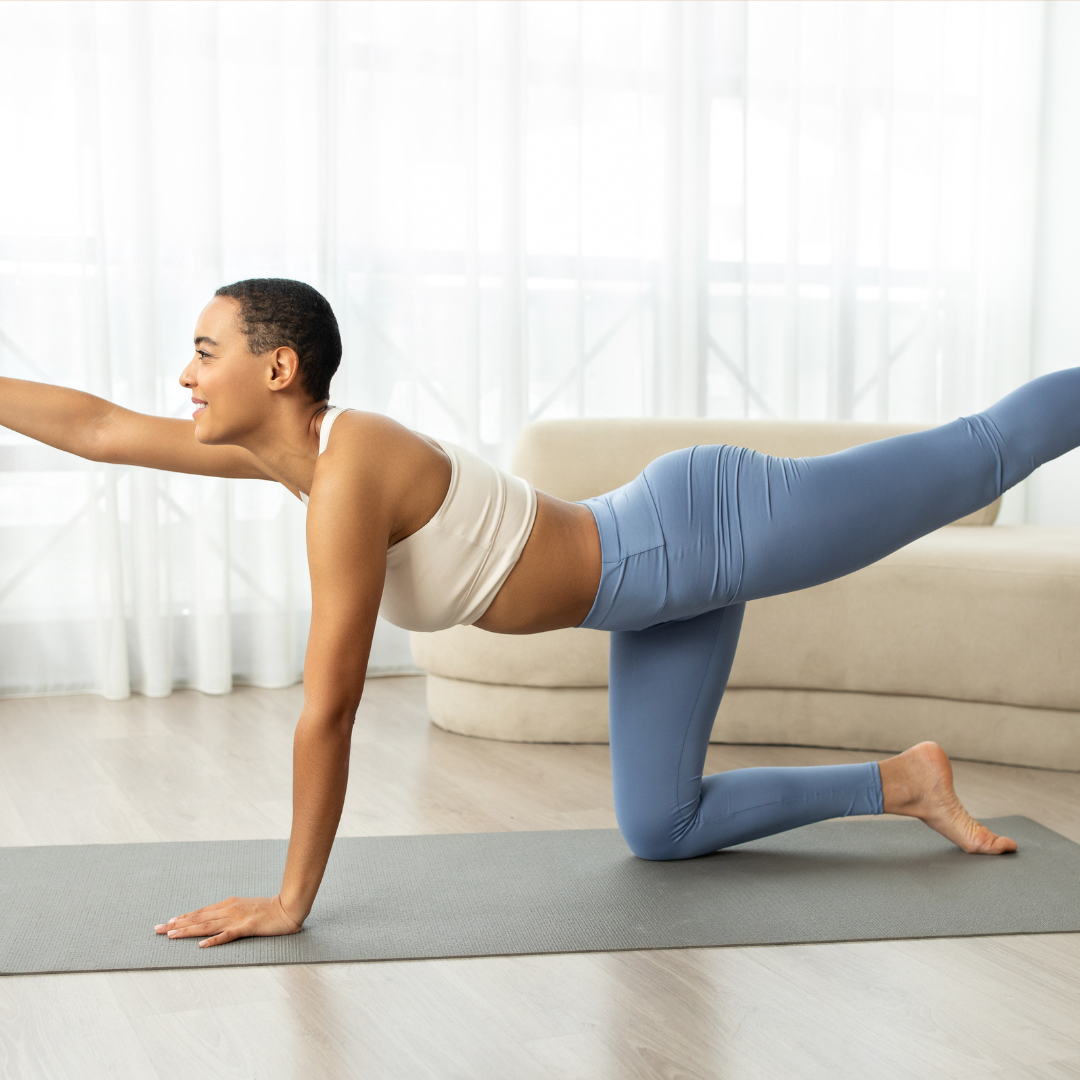
What are the best exercises to alleviate low back, SI, or hip pain?
This is the #1 question I am asked by women suffering from chronic pain in these areas and in general. It makes sense, because we’ve been taught to believe that if we just strengthen our cores, strengthen our glutes, or just lose weight our back pain will disappear.
Honestly, it might. But this didn’t work for me. And if you are reading this it’s likely it hasn’t completely worked for you either. And you might feel like you are missing a piece to the puzzle.
So here's the quick answer: the best exercises to alleviate low back, SI, or hip pain are the exercises that assess well in your body and they will look different for every individual.
This may sound like a non answer. But I would be lying if I said:
Do McGuill’s Core 3 and your back pain will disappear.
Do Iyengar Yoga and you will be fixed.
Do banded standing clamshells and your SI pain will resolve.
The truth is, these are all great evidence based tools. I use them all the time in my training programs, but for some women, these exercises will alleviate their pain, and for others it will make it worse.
Many of the women I work with have spent years locked in battle with their bodies, stuck in a chronic pain cycle. Knowing that they are super strong, but experiencing constant pain that makes them feel weak, and makes it difficult to stay consistent with exercise.
When this is the case, a list of one size fits all exercises is not the solution.
So what is the solution?
1. Learn how to choose the right exercises, at the right times, and in the right amounts for your unique system.
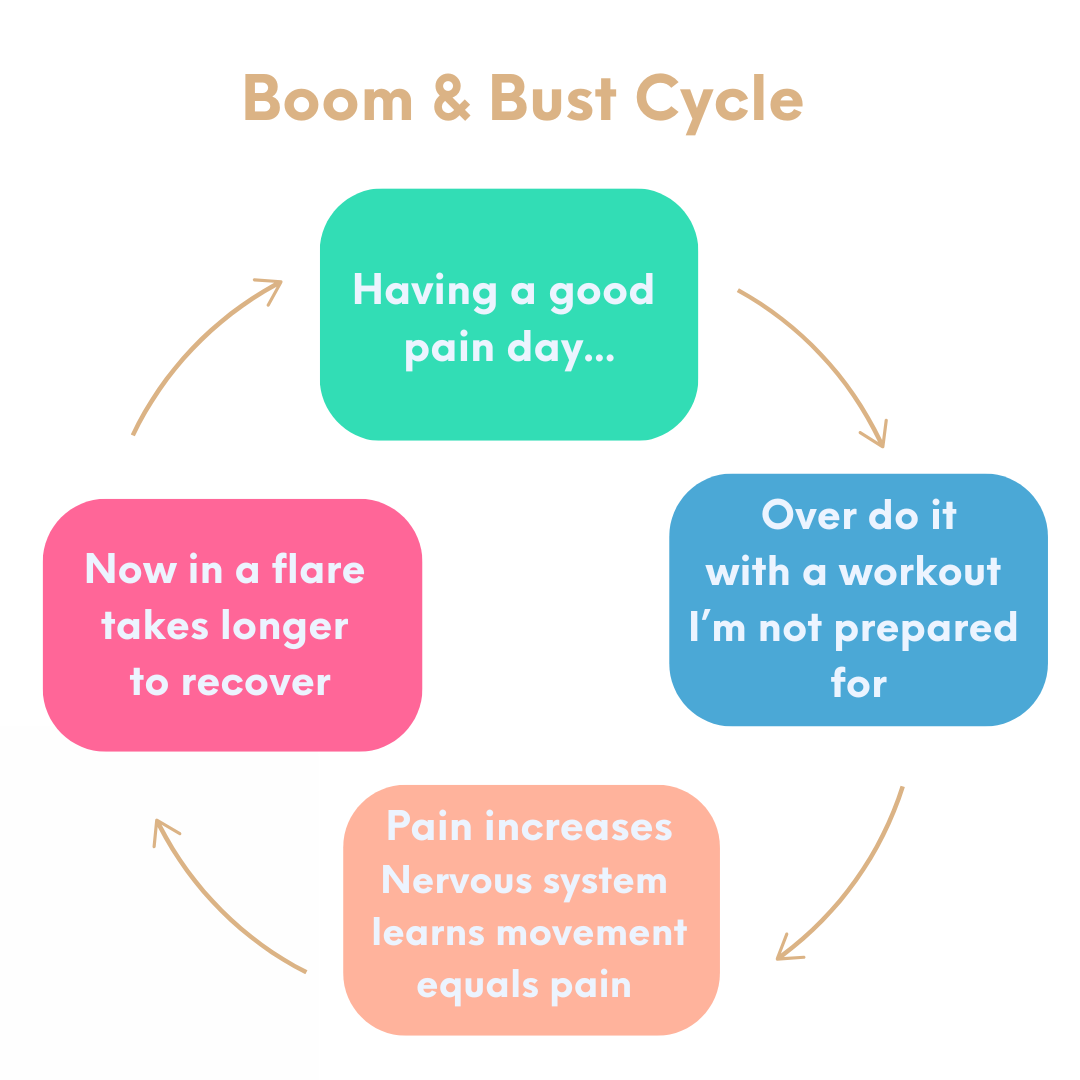
There are times to train for sets and reps and there are times to train to create nervous system safety. When we are getting back to exercise post physical therapy or when we’ve been in chronic pain for a while, training to create nervous system safety is crucial to ensure that you aren’t over or under doing it.
What I often see women do is BOOM & BUST. And this simply means do too much (BOOM) because they are so eager to feel strong again, but then this leaves them depleted and oftentimes in another flare (BUST). Pushing through the wrong exercise, or doing too much can contribute to more pain. Just like not challenging yourself enough can contribute to more pain, and then set you back. It’s all about finding the right balance for you.
2. Zoom out to understand the multiple factors that contribute to your pain experience.
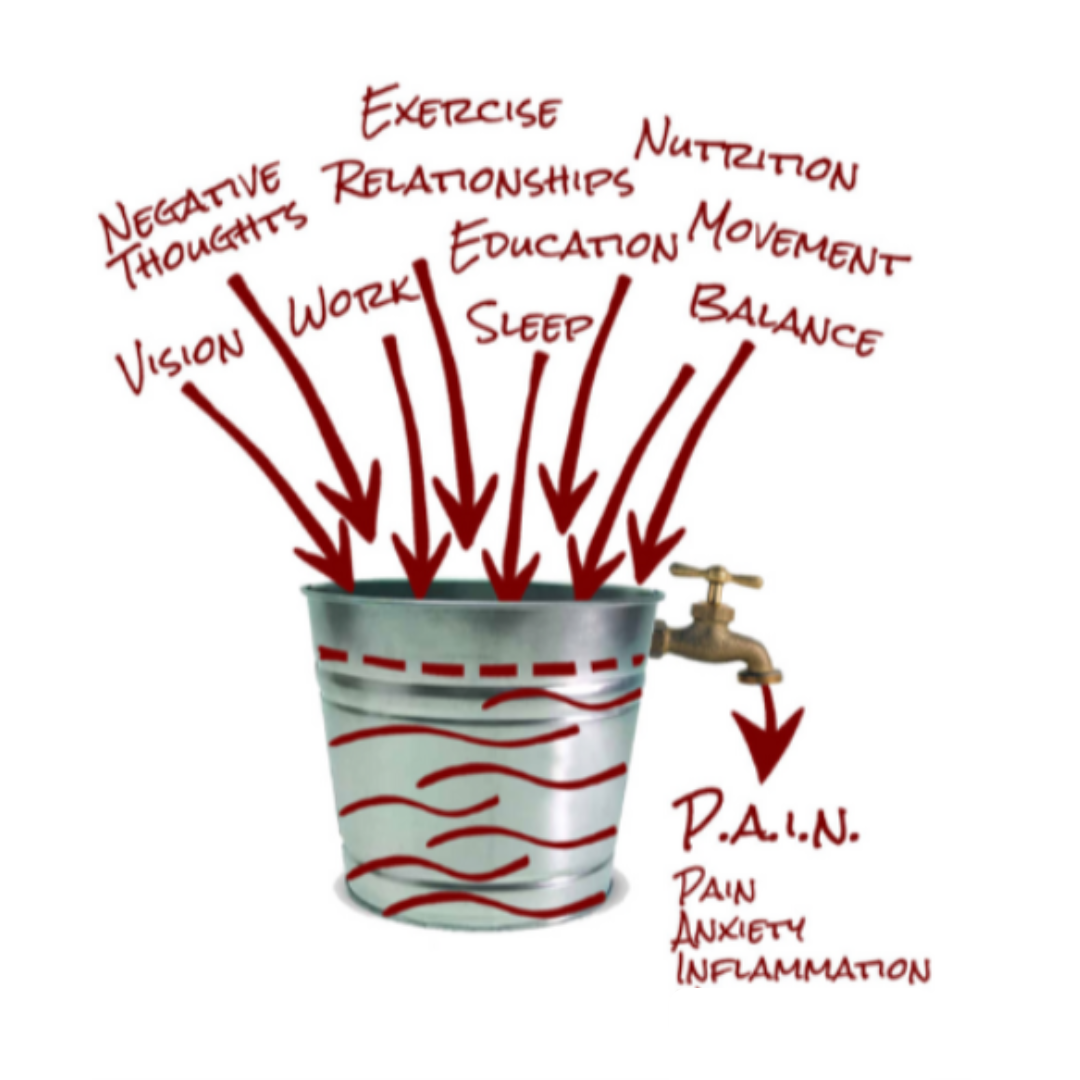
Have you ever heard of a threat bucket? A threat bucket is a useful analogy in the training world that illustrates how our bodies experience stress. This includes all types of stress like: a physical injury, past injuries, too much exercise, not enough exercise, lack of sleep, genetics, hormones, relationships, work, diet, trauma, late stage capitalism, a global pandemic, or the climate crisis.
We all have a different threshold for how much stress our nervous system can handle before it will create a protective response. A protective response like: an eye twitch, digestive upset, rage cutting brussel sprouts, shallow breathing, anxiety, and yes even physical pain. When you hear that pain is multi-factorial, this is what everyone is talking about.
And I know what you are thinking, “we are human Krista, stress is part of the deal.” Yes, I know and it’s also a part of how we grow, but when you are healing chronic pain, it's important to reduce as many threats to our entire system as we can in order to give exercise the best possible path to work.
(https://europeanpainfederation.eu/what-is-the-bio-psycho-social-model-of-pain/)
3. Utilize mindfulness to calm fears about pain equaling damage during flares.
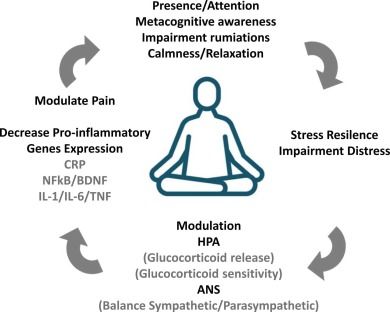
This is possibly the most important one, but the hardest for many of the women I work with, experiencing pain. Many of them start out struggling with meditation and sitting with discomfort. Which is understandable because when you’ve been in and out of chronic pain for a decade, the last thing you want to do is sit with your pain. I get it.
But if you resonate, just know that the field of pain science has made major strides in recent years and there is more and more evidence showing the immense efficacy of meditation and pain reprocessing for calming and getting rid of chronic pain altogether. (https://www.sciencedirect.com/science/article/pii/S2949834123000351)
And don't worry if it's not quite your thing yet, the beautiful thing about steps 1+2 is that they actually prepare you to feel more comfortable with step 3.
Ultimately, there is no one exercise that is going to “fix you.” The good news is that when you understand how to incorporate the strategies above into your spine healthy exercise programming, or work with a professional who works within a holistic framework, you'll start to see wonderful shifts in pain, athletic performance, and emotional well being.
As always, I'm rooting for ya,
Krista

Krista Quinn | NOV 22, 2024
Share this blog post

© 2026 Krista Quinn Health